









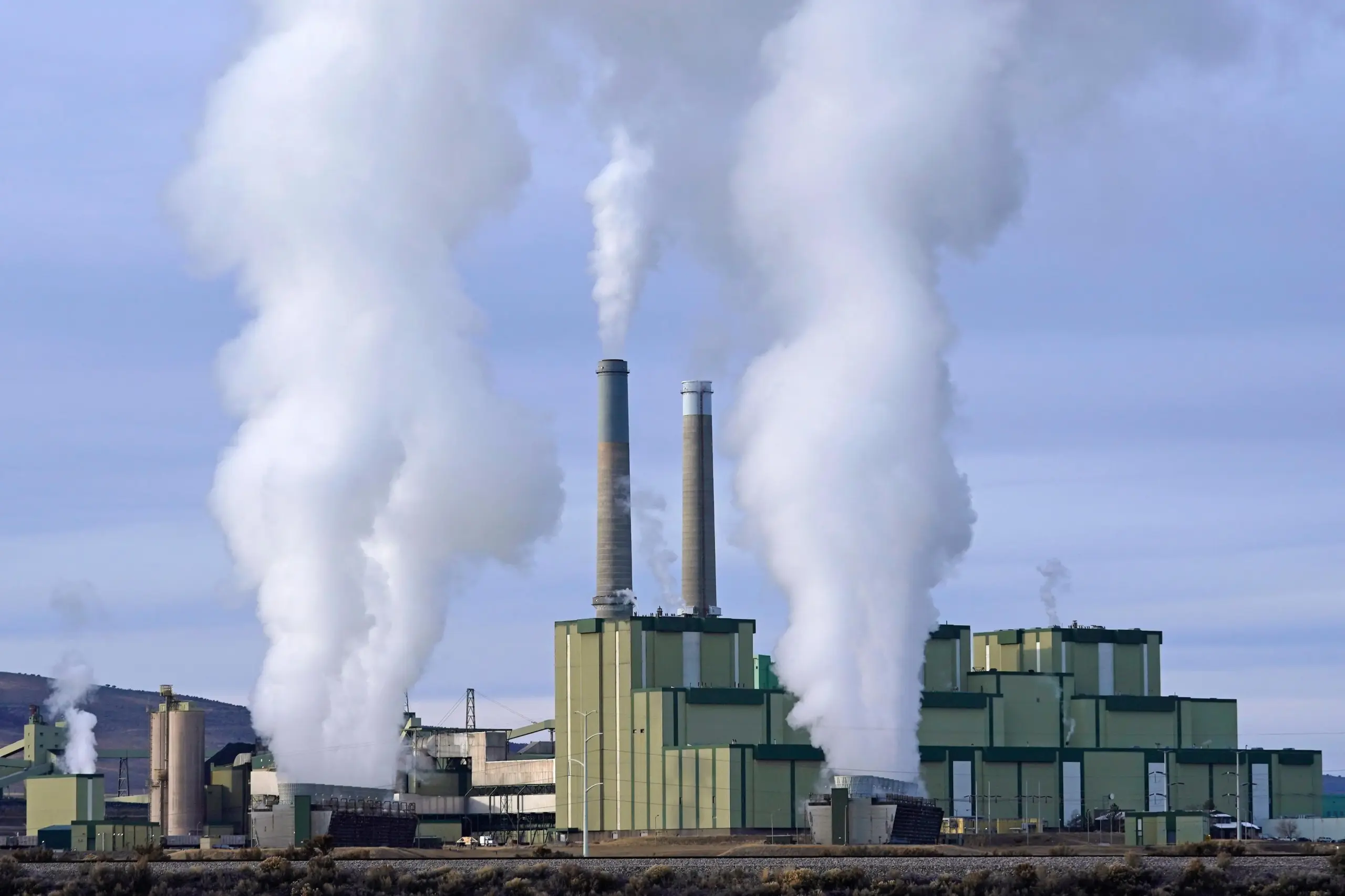
An aging coal-fired power plant is sputtering along in northwestern Colorado as its owners try to comply with an emergency order from the U.S. Department of Energy that has kept it running almost a year longer than anticipated.
Read more International recruiting still key across CU Buffs athletics despite changing times
Craig Unit 1’s owners, including Tri-State Generation and Transmission Association, Platte River Power Authority and Xcel Energy, have spent millions of dollars to repair and operate the plant, even though it has run for less than three weeks in the past 10 months.
The coal plant was slated for retirement on Jan.1, but Energy Secretary Chris Wright on Dec. 31 ordered the plant to remain open, citing a national power emergency, even though Unit 1 was broken at the time.
Wright has renewed the emergency order three times since, most recently on Sept. 25, even as Tri-State and Platte River Power Authority, along with Colorado Attorney General Phil Weiser and multiple environmental groups, have fought it.
Critics of the Energy Department’s directive say there is no emergency, and the order is wasting millions of dollars, potentially on the backs of the customers who could face rate increases to pay for the expense of keeping Unit 1 functional.
“It’s a fabricated emergency,” said Eric Frankowski, executive director of the Western Clean Energy Campaign. “There really isn’t one.”
Craig is one of seven coal plants across the United States running under emergency orders as the Trump administration props up the slumping coal industry. The U.S. Court of Appeals in Washington, D.C., has ruled at least one of those emergency orders is illegal, but that has not stopped Wright from renewing directives to keep Craig Unit 1 and other coal-fired power plants open.
In his Sept. 25 renewal order, Wright cited reports that energy demand in Colorado is expected to grow 8.5% over the next decade, to 36 gigawatts by 2034. The order also says wind and solar energy are too variable and not ready to replace coal as reliable energy sources, and that the Rocky Mountain region is at risk of energy shortfalls because of aging infrastructure.
Coal-fired power capacity has declined in Colorado since 2019 as more plants are retired. By 2029, 3,700 megawatts of coal-fired power generation will be retired, accounting for all but one of the state’s remaining plants, the order stated.
Unit 1 has operated 3 times since April
Mark Stutz, a spokesman for Tri-State Generation, which operates the plant, said the “unit has been called upon three times since April 1” by the Southwest Power Pool, which determines how much energy needs to be generated and transmitted between multiple states.
Craig Unit 1 ran a total of two to three weeks, Stutz said, but he declined to provide day-to-day operational details, saying its market performance was confidential.
Frankowski, who tracks Craig’s output, said reports filed with the U.S. Energy Information Administration show that Unit 1 generated 20,478 kilowatts of power in July while its sister units, Unit 2 and Unit 3, generated almost five times as much electricity. The reports show the plant also generated 56,782 kilowatts in April, but was idle the other five months for which data is available.
That minimal power production shows there is no emergency when it comes to generating electricity in Colorado or other regions in the Southwest, especially since the plant wasn’t turned on in August, the hottest month of 2026, he said. There is no need for the Trump administration to issue an emergency order to keep it open, he said.
“During the hottest month of the year when cities were facing record heat, they didn’t need to turn the power plant on,” Frankowski said.
The fight over Craig Unit 1 is happening as the Trump administration promotes coal as the cheapest, most reliable source of energy to power homes and businesses, even as utility companies across the United States are closing coal plants in favor of renewable energy. The federal energy department boasts on its website that it is “unleashing beautiful, clean coal,” even though science has proven that burning coal is a dirty business, accounting for a fifth of the country’s carbon dioxide emissions.
Trump in September pledged $700 million in federal aid to the coal industry, including grants to build two new coal plants, as the president has opened White House access to fossil fuel executives.
However, burning coal and other fossil fuels releases greenhouse gases that form a low-lying blanket over the Earth that traps heat. That trapped heat causes global warming, which leads to more severe weather and also harms human health.
Colorado’s utilities have planned for years to close all of the state’s coal-burning power plants in favor of solar, wind and renewable battery storage to meet the state’s goal to eliminate almost all greenhouse gas emissions by 2050.
Keeping Unit 1 running is costing millions
Repairing and running the aging Craig Unit 1 has been an expensive endeavor.
Unit 1 opened in 1980 and was built to produce up to 427 megawatts of power. It is one of three coal plants on site in Craig; Units 2 and 3 continue to run under normal conditions, but Unit 2 is scheduled to close on Sept. 30, 2028, and Unit 3 is scheduled to retire on Jan. 1, 2028
Read more 2 Pueblo officers injured hit by ‘friendly fire’ in shooting that left Pueblo man dead
. Stutz declined to say how much it has cost to repair Craig Unit 1 and to keep it running.
But an exhibit filed in the ongoing legal dispute said Tri-State, which owns 24% of Unit 1, spent an average of $23.9 million annually to pay its share of operations, maintenance, coal supply and depreciation expenses over the last 10 years.
Xcel Energy, which owns 10% of Unit 1, said in a July court filing that it had spent more than $4 million to comply with the federal order. Since Xcel would be responsible for 10% of the expenses, experts estimate it cost at least $40 million to fix the plant and keep it running for the first six months of the year.
Xcel had filed a motion to represent itself in the ongoing dispute over the emergency order, saying it would not take a position on the legality of the Energy Department’s directive, but wanted to be in a position to recover its share of the costs to keep Unit 1 open.
How those costs will be recovered remains to be determined, said Greg Wannier, a senior attorney for the Sierra Club, which has fought the emergency order for Craig and other coal plants.
Tri-State and other Unit 1 owners want the federal government to reimburse them for the costs, Wannier said.
“We at the Sierra Club are very deeply concerned about the costs of these orders,” he said. “We are very concerned that ultimately the bag is going to be left with ratepayers.”
Court challenges to Energy Department orders
But the outcome remains to be seen because the legal arguments are still in play.
On Sept. 11, the Washington, D.C., appeals court determined that the Department of Energy’s emergency order directed at a power plant in Michigan was invalid and found the agency had no authority to require it to keep running.
The Energy Department’s arguments for keeping the Michigan power plant running mirror its arguments used for Craig Unit 1, Wannier said. But the federal government has 60 days to challenge the appeals court’s decision, so the Craig case is on hold until at least Nov. 11.
The court had said it would not rule on the Tri-State Generation case until after that date, and the Sierra Club and others with interests in the Craig Unit 1 case are waiting to see what the energy department does next.
Stutz, the Tri-State spokesman, would not comment on the legal case and what any outcome would mean for the utility company.
Wright, who is from Colorado, continues to renew emergency orders despite the appeals court loss, signaling the federal government will continue the legal battle. He renewed Craig’s order two weeks after the appeals court decision on the Michigan plant, and has renewed orders for two coal-fired plants in Indiana.
“They’re basically ignoring it and moving full steam ahead as if it didn’t happen,” Wannier said.
Wannier accused the Trump administration of “imposing a Soviet-style command and control over our energy system” as it caters to fossil fuel executives who have poured money into the president’s political campaigns.
The power to issue emergency orders is intended to be a last-resort option during a crisis and to ensure electricity is flowing through the nation’s grid, Wannier said. On-the-ground utility companies and the state and regional authorities tasked with keeping the power supply pumping are doing a good job without federal government interference, he said.
“This is the Trump administration trying to take this power from state and regional energy regulators to run the grid from on high,” Wannier said.
Read more No Kings voter rally draws crowd to Denver’s Civic Center
Get more business news by signing up for our Economy Now newsletter.