







At the heart of Colorado’s race for treasurer this fall is a debate over how much of a role the state’s next chief financial officer should play in tackling the affordability crisis.
Read more Inside the Colorado lair where monster makers crank out their twisted animatronics
That debate is playing out over one of the office’s top responsibilities: managing a multimillion-dollar investment portfolio that is currently concentrated in traditional holdings, such as U.S. Treasury and bank-issued mortgage bonds, that are meant to yield high-interest returns for the state.
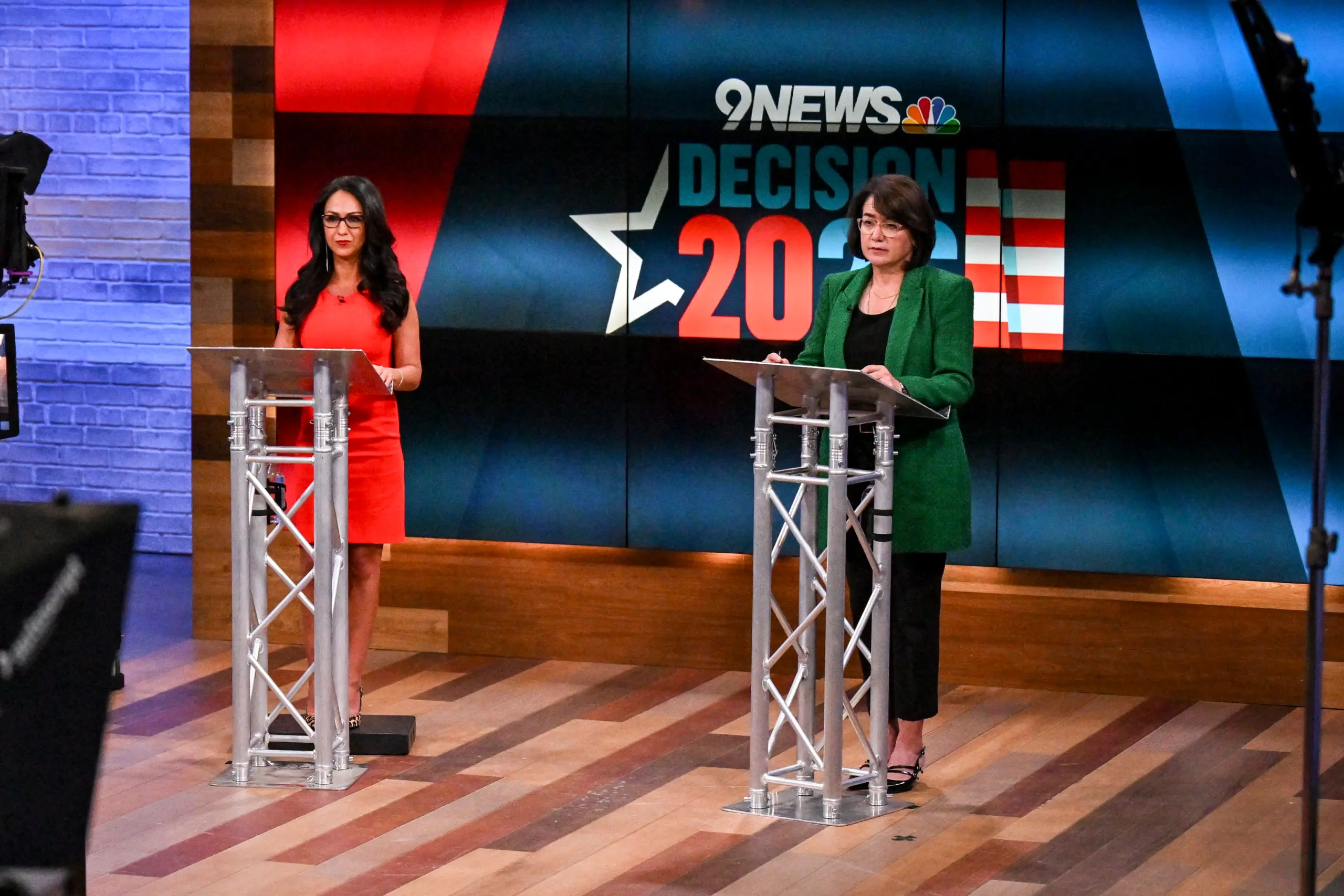
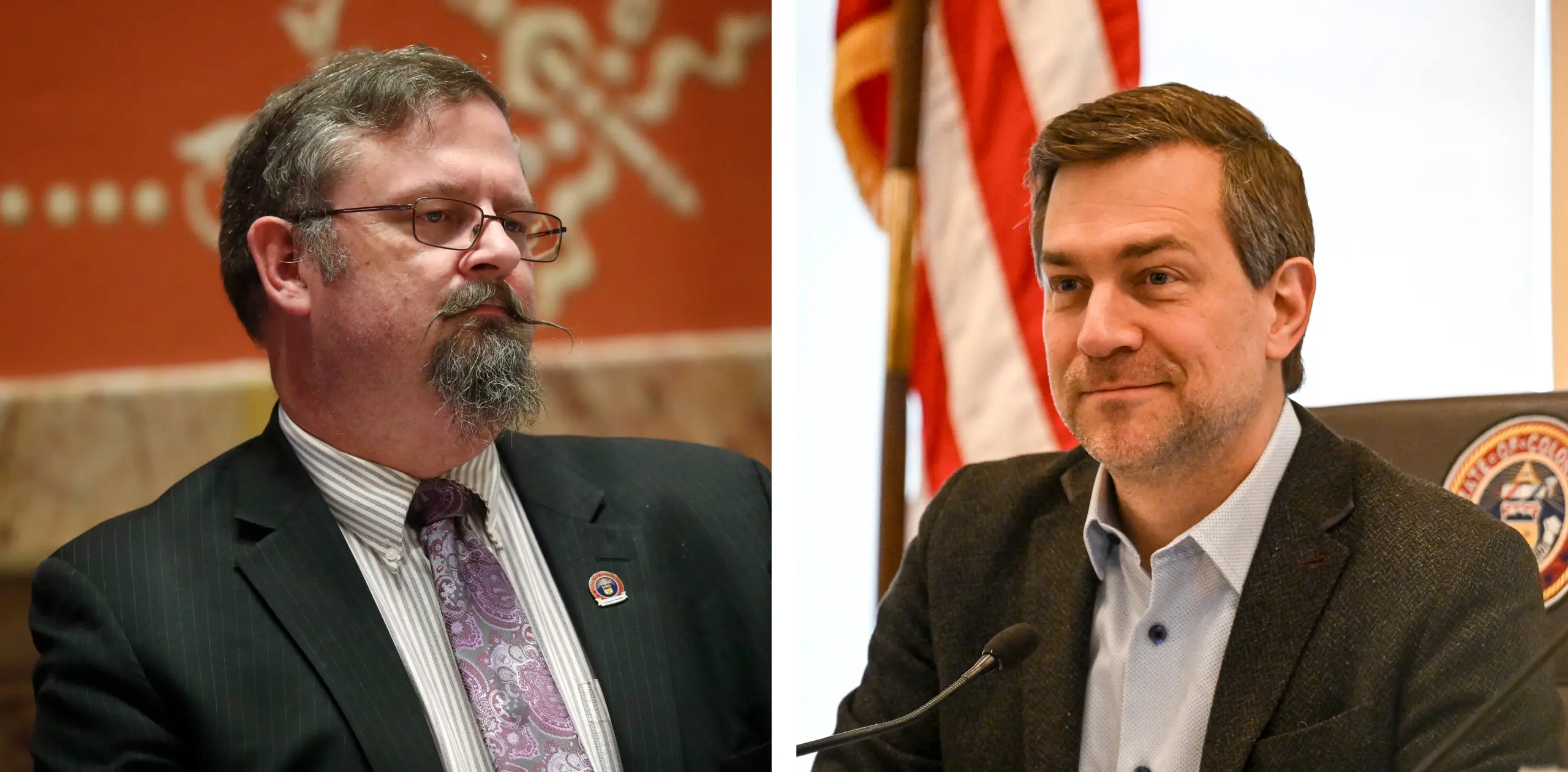
State Sen. Jeff Bridges, a Greenwood Village Democrat vying to succeed term-limited Treasurer Dave Young, wants to rethink where the state invests those dollars. He’s proposed redirecting some of that money to Colorado-specific projects — like renewable energy and affordable housing — that he says will create jobs, grow the economy and help lower the cost of living.
“If I say to folks, the state treasurer manages $15 billion to $20 billion of investments and, right now, we have billions of dollars in Wall Street, we have billions of dollars in Washington … they jump in and say, ‘We should be investing those dollars here,’ ” said Bridges, 46.
His Republican opponent, Kevin Grantham, a former state Senate president and current Fremont County commissioner, said the idea would open the state up to unnecessary risk.
Grantham, who has made fiscal conservatism central to his campaign for treasurer, said the office’s longtime prioritization of safe, liquid investments should continue.
“The treasurer — be it Democrat or Republican, going back a long ways — I think has been doing it correctly, doing this in a conservative fashion, even if they’re not typically considered a fiscal conservative,” said Grantham, 56, who lives in Cañon City.
“Those billions of dollars that reside in those state investments, they have to be (invested) wisely, without the commingling of those political agendas,” he added.
Two other candidates are on the Nov. 3 ballot for treasurer: Jodie Barr, a Libertarian, and Marilee Langner Sturgis, from the Approval Voting Party.
But the major-party candidates have dominated the race for the treasurer’s office, which has a lower profile than the three other constitutional statewide elected offices. Along with managing a $15 billion to $20 billion investment fund, the office’s main responsibilities are ensuring state money goes where it’s supposed to and returning money in the unclaimed property fund, which contains lost or abandoned financial assets such as unpaid wages, utility refunds and uncashed checks.
The treasurer’s office also has a seat on the state’s oversight board for the Colorado Public Employees’ Retirement Association, the state’s pension system for public employees.
Bridge’s proposal to invest more state funds inside Colorado isn’t new. Red and blue states, including Ohio, Illinois and Vermont, each dedicate some amount of their treasury’s dollars to state-specific investments, said David Gross, a University of Colorado finance professor, though some focus more on economic impact while others target social benefits.
But there are trade-offs.
Compared to national financial institutions, local investments are likely to yield smaller returns for the state. And when dealing with a smaller pool of borrowers, getting that money back becomes riskier compared to something like mortgage-backed securities issued by national banks.
“But does the social benefit exceed the cost associated with the increased risk? That’s hard to sort of measure,” Gross said. (Gross donated $100 to Bridges’ campaign for treasurer during the Democratic primary.)
Read more More than 100 Boulder fraternity members suspended after hazing incident, emails show
Colorado State Treasurer candidate Q&A
Bridges said that if elected, he would keep the bulk of the treasury’s investment portfolio concentrated in traditional holdings, adding that the states he’s looking at as models commit around 10% to 20% of their dollars to state investments.
He said there’s also already precedent for his idea in Colorado, which last year passed a bipartisan law directing the treasury to invest up to $50 million in low-interest bonds for affordable housing developers. Bridges said that while he’d have authority as treasurer to start new investments in Colorado, he’d need the legislature’s approval for things like offering low interest rates.
On other big fiscal issues, Bridges and Grantham largely agree.
Both men have experience serving on the legislature’s Joint Budget Committee, a six-person body that crafts the state’s annual spending plan. Both say the legislature needs to cut spending if it’s going to break the cycle of massive recurring annual budget deficits. Still, they differ on some of the root causes.
Bridges is unabashed in his critiques of the revenue growth limits imposed under the Taxpayer’s Bill of Rights, and he has led efforts to change it. He sponsored the bill that placed Proposition NN — which asks voters to redirect TABOR-mandated refunds to education funding — on this year’s ballot.
But regardless of whether that and other tax measures pass in November, Bridges said the legislature needed to further cut Medicaid, one of the state’s leading cost drivers. Otherwise, he said, “we will be right back in the same situation that we are in right now.”
Grantham, who defends TABOR as a check on government spending, said that while the treasurer does not have any direct input on the state budget, he would use the “bully pulpit” to push back on what he saw as overspending by the Democratic-majority legislature.
“Probably the greatest tool that the treasurer brings is the ability to speak on these things from a standpoint of expertise,” Grantham said.
Bridges and Grantham also both want to expedite the process of returning the roughly $2.5 billion in lost money and assets that is currently being held in the state’s unclaimed property fund. Both say the paperwork needed to attempt to access that money is too onerous, and they want to explore administrative reforms that could streamline the process.
As with any other statewide office this year, Grantham faces an uphill battle as the Republican in the race given Colorado’s leftward shift over the past several election cycles. Voters have not elected a Republican statewide since 2016.
Young, the outgoing Democratic treasurer, was first elected in 2018 by a more-than-7-percentage-point margin, and he was reelected in 2022 by nearly 11 points.
Bridges also maintains a fundraising advantage, with $476,465 raised to Grantham’s $149,908 raised, according to the most recent campaign finance reports.
Stay up-to-date with Colorado Politics by signing up for our weekly newsletter, The Spot.
Read more 2 dead, 4 injured in 2 Denver crashes early Sunday morning