








It’s difficult to peruse any headline regarding college athletics, or scan the sights across any packed stadium, without being bombarded with reminders of how the games have changed.
Read more 2 Pueblo officers injured hit by ‘friendly fire’ in shooting that left Pueblo man dead
For international athletes, the backdrop and allure of big-time college athletics in the United States is at once inviting and limiting. International athletes are prohibited from making NIL deals, yet are very much part of the revenue sharing equation.
For Colorado women’s soccer coach Danny Sanchez, the more the business of international recruiting has changed, the more it has stayed the same.
That’s not necessarily the case with all of CU’s Olympic sports. While soccer has maintained a sort of status quo with the program’s previous approach to international recruiting, the volleyball and cross country programs have leaned heavily into international recruits in a shift that reflects the changing times.
“It’s just old school recruiting and a scholarship,” Sanchez said. “To be honest, it really hasn’t changed very much. Internationals have typically always been big scholarship players. It’s what it cost us to get over here, but nothing above that. If you look at our internationals in the past, it’s kind of been the same process.”
While Sanchez boasts just three international players on the Buffs’ 28-player soccer roster this fall, the volleyball program includes seven international recruits among its 18 players. In cross country, the national finals have been dominated by international runners in recent years, and former CU national championship-winning coach Mark Wetmore famously shied away from recruiting international runners. In his third season at CU, coach Sean Carlson has a roster filled nearly 30% by international recruits (10 of 35, five apiece for the men and women).
In the case of cross country, the training and competition of NCAA distance running is often more appealing than the options available in runners’ home countries. But there’s also a financial component, along with the relaxing of rules discerning the difference between a pro and amateur athlete, that are drawing more international talent to starting lines across the country.
Read more No Kings voter rally draws crowd to Denver’s Civic Center
“Obviously NCAA for every sport has changed drastically. Our sport in particular, it’s changed very drastically,” Carlson said before the season. “Most other sports, it’s the money side. Our sport, it’s been the talent. There’s more international, world class talent that’s entered our sport in the last two years than probably the last 30. We have to continue to evolve in our roster-build in our program to keep up with running for national championships.”
Although international athletes are ineligible for NIL deals, there are ways schools can circumvent that hurdle, most readily with setting athletes up with deals in their home countries. They are, however, eligible for revenue sharing benefits.
Volleyball isn’t a big revenue sport but, like basketball, athletes often can make more playing NCAA volleyball than they can toiling in many professional leagues abroad. Jenna Ylivainio, the Finnish setter for CU’s 25th-ranked volleyball team, wouldn’t have been eligible for NCAA athletics just a few years ago due to her track record of playing professionally in Finland and Belgium. Even though she had a job, and had never been to America previously, Ylivainio nonetheless decided to leave home and join the Buffs this past summer just a few weeks before preseason practice began.
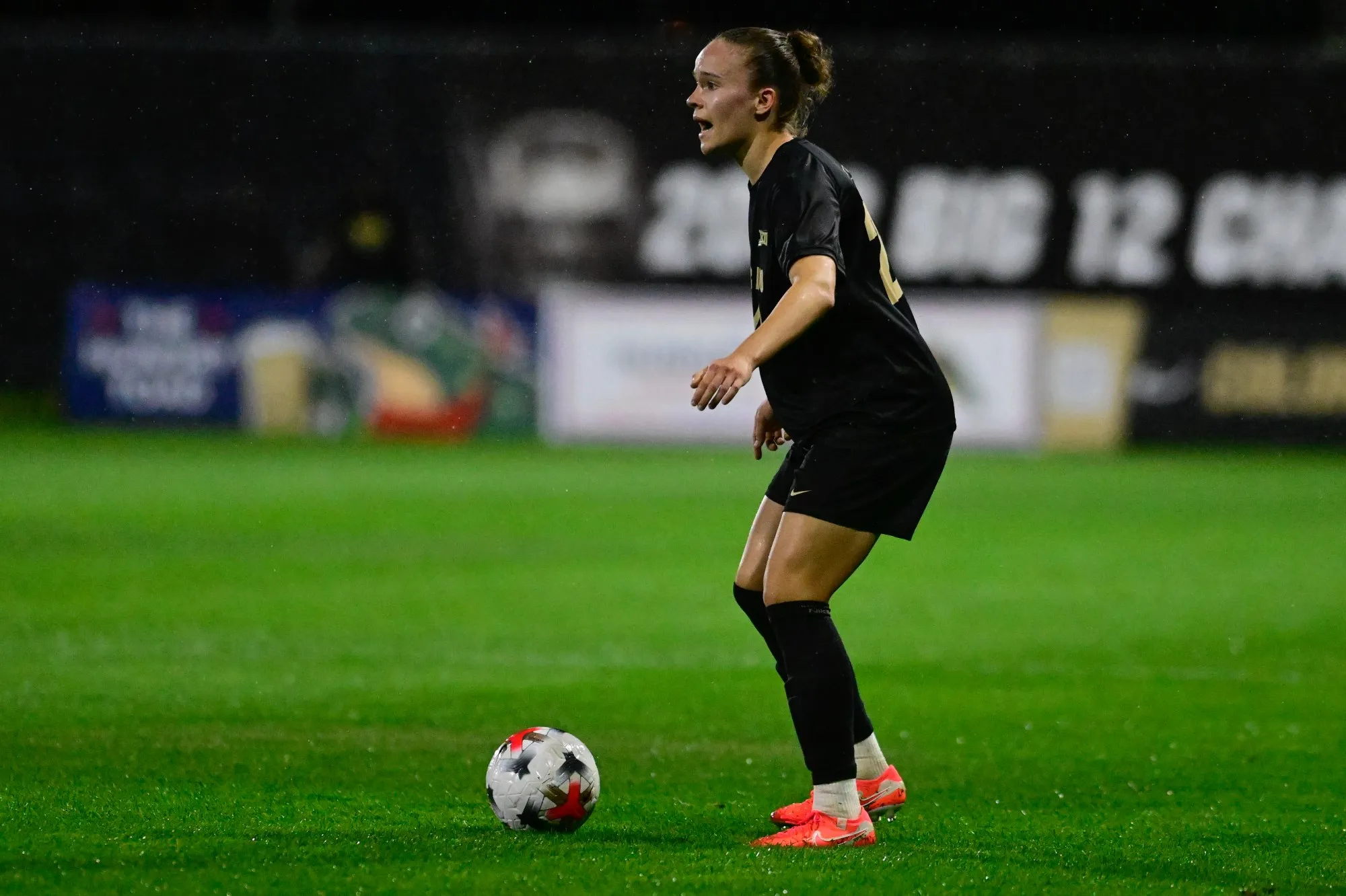
International recruits are providing a huge boost for CU athletics this fall. Ylivainio is running the offense for the Buffs’ volleyball team, while Meshack Kipruto, a first-year runner from Kenya, was named the Big 12 men’s runner of the week after setting an 8K course record while winning the Nuttycombe Wisconsin Invitational last week. Lilian Zamorano, a defender from Germany, scored the winning goal Friday as the CU soccer team secured a 3-2 win at Kansas State.
“Now, it’s different, obviously. Everybody has some form of agent,” CU volleyball coach Jesse Mahoney said. “Not just international kids. American kids too, as well. There’s a lot more opportunities. I think the rev share and NIL have opened some markets where you can have a really good player who could play pro in their home country, or they can come here and get a similar quote-unquote, ‘contract.’
“You’re seeing more good internationals do that now, whereas in years past they would want to get paid right away and start playing professionally earlier. Now there’s more opportunity for them in the collegiate game.”
Read more Who is Bob Chew, the deep-pocketed independent U.S. Senate candidate in Colorado?