







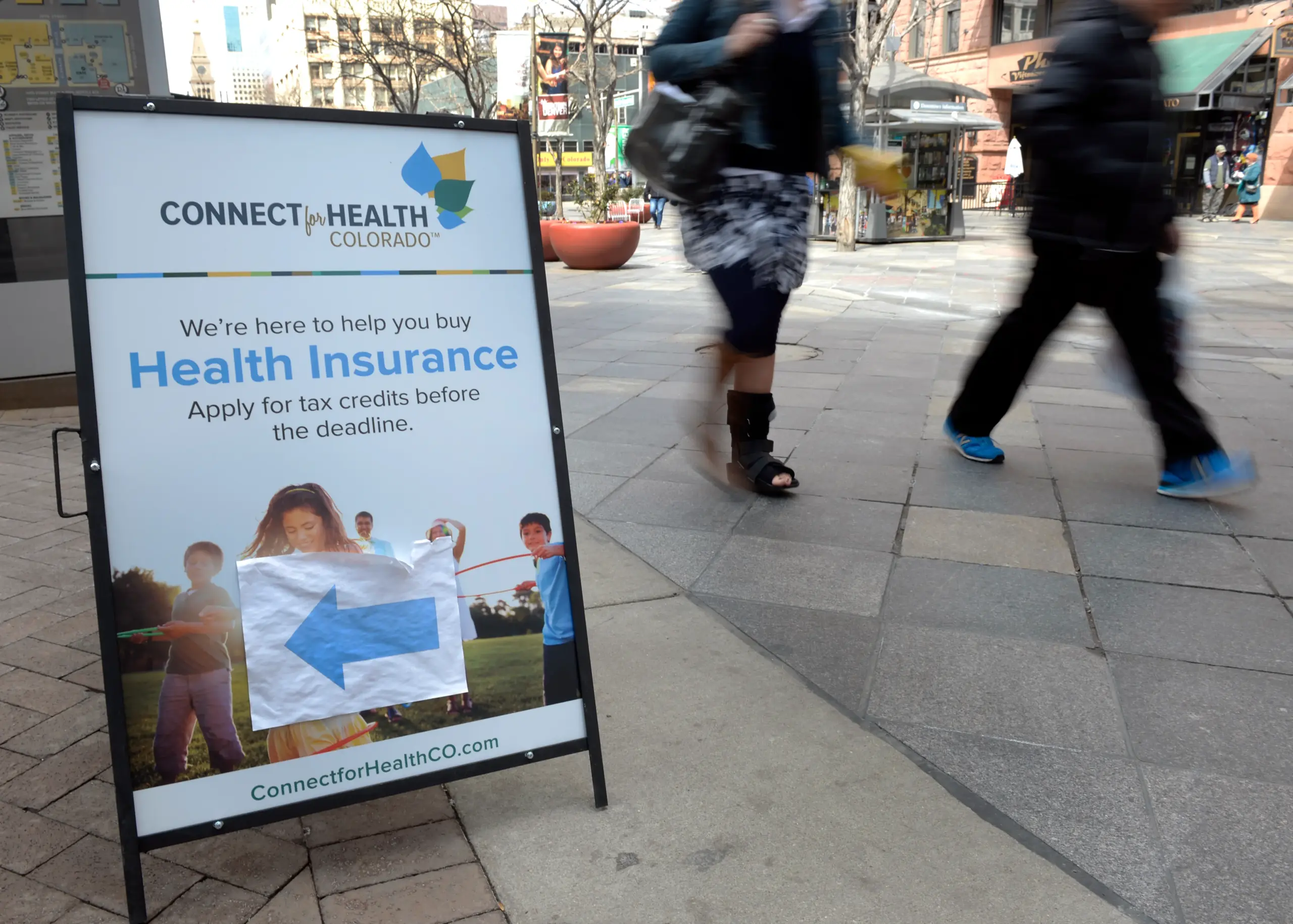
Premiums on the state’s individual health insurance marketplace will rise an average of 10% next year, though the increase will be relatively small for people who qualify for financial help, according to the Colorado Division of Insurance.
Read more Glendale says Salazar ‘manufactured a dispute’ to bail on entertainment district
In the current year, premiums rose 22% statewide, on average. Out-of-pocket costs doubled for some people who lost pandemic-era subsidies that expired at the end of 2025, however. The enhanced subsidies lowered the percentage of a household’s income that they had to pay toward insurance and phased out more gradually than the current ones, which have a hard stop at four times the poverty line — about $132,000 for a family of four.
The federal government shut down last fall because Democrats wanted to extend the subsidies, while Republicans didn’t. A deal to end the shutdown ultimately let them expire.
Insurers in Colorado had initially asked for larger premium increases, but dialed back their requests after the legislature partially replaced the subsidies. The general assumption in insurance is that if prices rise, healthier people will drop coverage, leaving a more expensive customer pool.
Next year, the average cost increase for people receiving state assistance will be about $20 per month, the division said. If Colorado hadn’t passed that assistance, the increase would be $69 a month.
The increases vary by region, from a low of about 6% on the Eastern Plains to almost 16% around Grand Junction.
Read more Colorado-based private jet company took $580K from customer in Ponzi scheme, lawsuit alleges
Nationwide, insurers asked for a median increase of 15% for next year, meaning that they wanted more in half of states, according to the health policy nonprofit KFF. Regulators review the requested rates to make sure they’re high enough to keep plans stable, but don’t impose unjustified costs on customers.
Insurers in Colorado asked for an average increase of 11% for the coming year. The Division of Insurance said the lower rates it imposed will save consumers a combined $42.1 million.
Reinsurance also will reduce premiums by nearly $470 million next year. Essentially, the program acts as a backstop for insurers when they have customers needing unusually expensive care. Because they aren’t on the hook for as much in claims, they can lower premiums across the board.
Sign up for our weekly newsletter to get health news sent straight to your inbox.
Read more Boulder Valley school board votes to close 4 schools, reconfigure 2, relocate 2