








Decorative glass rarely has a simple shape. A vase may have a narrow neck, a sculpture can contain delicate projections, and an ornamental bowl may have an unusually thin rim. These details are what make glass attractive, but they also create challenges when an item has to leave its familiar place and travel to another home.
The solution is not simply adding more wrapping. Effective protection comes from combining the right materials, careful positioning, and an understanding of how each piece could be damaged during handling and transportation.
Sort the Collection Before You Start
Begin by taking everything out of cabinets, display cases, or shelves and creating a temporary work area. This makes it easier to see exactly what needs to be packed and prevents smaller pieces from being overlooked.
Separate particularly delicate objects from more durable glassware. Tall pieces, thin-walled vessels, sculptures, and objects with attached decorative elements should receive individual attention.
If you are preparing several valuable pieces at once, photograph them before wrapping. Images can document their existing condition and make identification much easier later.
Match Protection to the Shape
A common packing mistake is treating every glass object as if it were a standard rectangular item. Decorative pieces often have vulnerable areas that need targeted protection.
Protect the weakest points first
Pay special attention to:
- Thin rims and edges
- Handles and stems
- Narrow necks
- Protruding decorative features
- Points where different sections meet
Wrap the object individually with suitable cushioning material, making sure protection remains secure without applying excessive pressure. Fragile packing should absorb shocks rather than force delicate surfaces into a rigid shape.
For collections requiring professional preparation, Price Movers offers moving assistance designed for delicate belongings. Its broader moving services can be explored at https://pricemovers.com/.
Build a Stable Interior for Every Box
Once an object has been wrapped, the next challenge is preventing it from moving inside its container. Even excellent wrapping cannot fully protect glass if the package allows repeated shifting.
Choose a strong box with enough space for protective material on all sides. Place cushioning at the bottom before positioning the wrapped object.
If several pieces share a container, separate them completely. Dividers can create individual compartments and prevent glass from making direct contact during transportation.
Do not confuse tight packing with secure packing
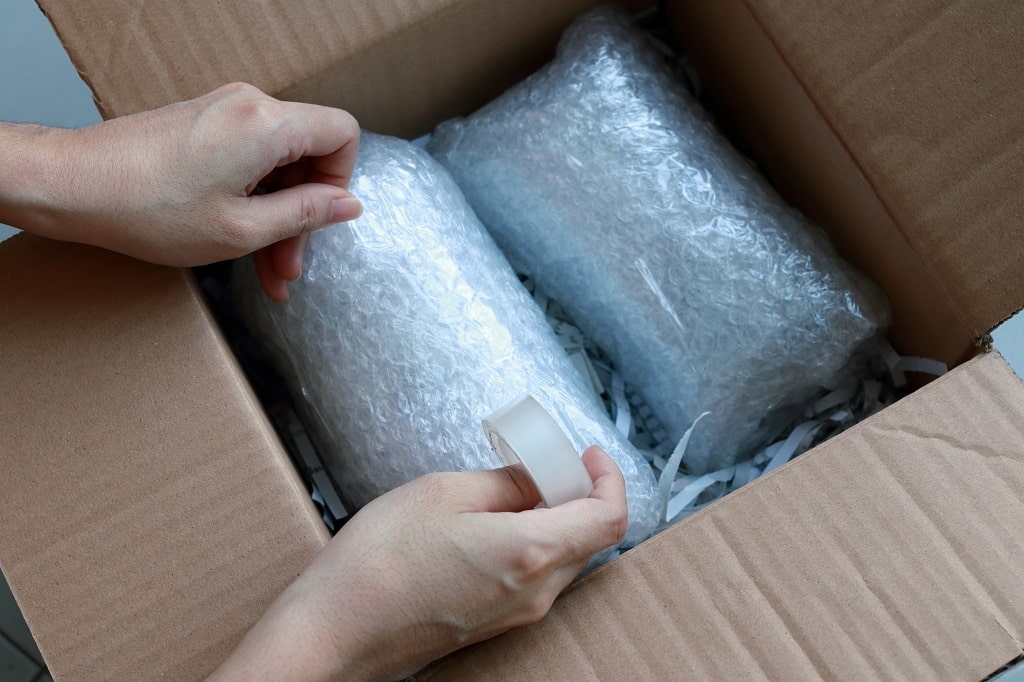
It may seem logical to fill every empty space as tightly as possible. However, excessive pressure can be just as problematic as excessive movement.
The contents should remain stable without being compressed. Gently move the box before sealing it. If you hear objects shifting, reopen the package and add suitable cushioning.
Handle Valuable Details With Extra Care
Decorative glass may include painted patterns, metallic components, glued ornaments, or other finishes that are vulnerable even when the glass itself is strong.
Avoid placing abrasive materials directly against decorative surfaces. Tape should never be applied casually to finished areas, since removing adhesive can create a separate problem.
For especially important pieces, create a small inventory containing the object’s description, photographs, and box identification. This is useful when a collection contains numerous similar vases, figurines, or ornaments.
Think About How the Box Will Be Handled
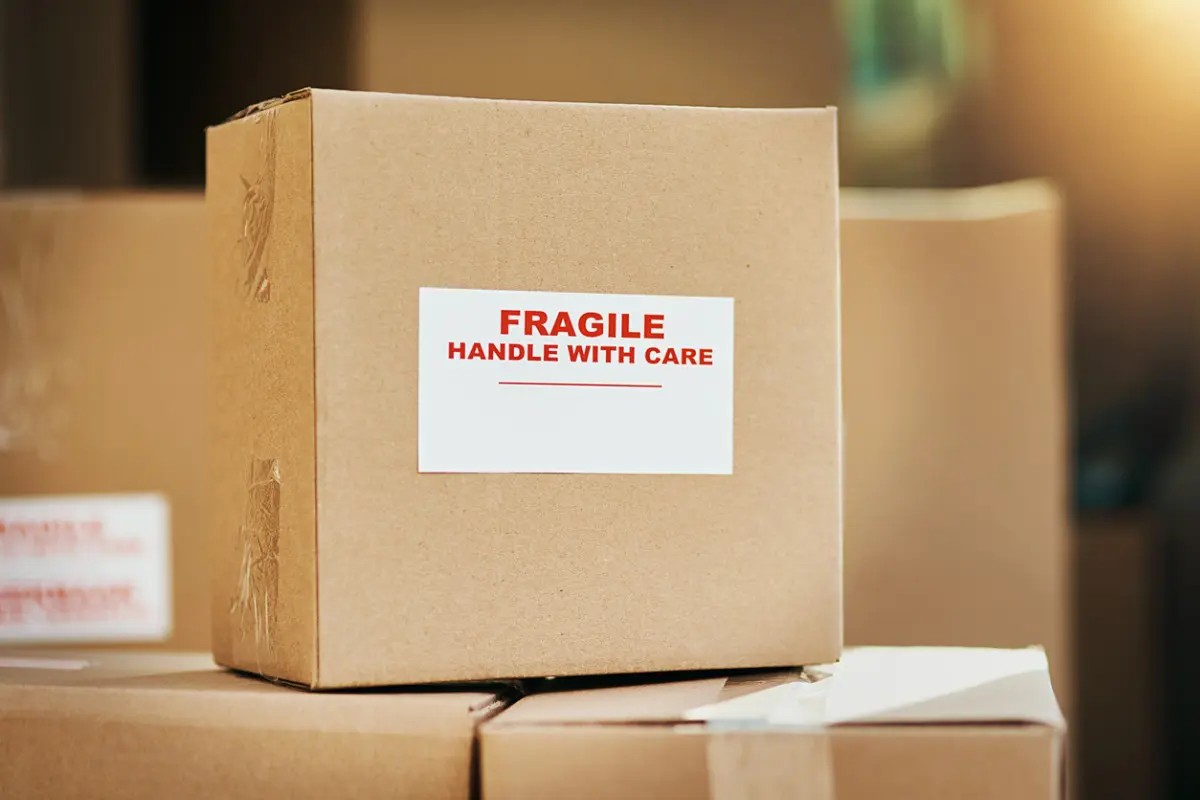
A properly packed box still needs appropriate handling after it leaves the packing table. Indicate when a package needs to remain upright and identify fragile contents clearly.
The goal of fragile packing for decorative glass objects is to create several layers of defense: the object is protected individually, separated from neighboring items, cushioned inside a sturdy container, and clearly identified for handling.
More specialized information about preparing delicate belongings is available through https://pricemovers.com/services/antique-moving/fragile-packing.
Make Unpacking Part of the Plan
Do not wait until the boxes arrive to decide where fragile pieces will go. Clear stable surfaces before opening the containers, particularly if several decorative objects are being delivered at once.
Remove each item separately and inspect it before moving on to the next package. Keep the original cushioning nearby until you are certain everything is in its intended location.
If a piece has an unusual shape, do not rush to unwrap it while holding it in the air. Place it securely on a suitable surface first, then remove its protective layers.
Keep the Collection Organized After the Move
Once the glass has been unpacked, retain the inventory and photographs rather than immediately discarding every record. They can be useful for future relocations, storage, or insurance documentation.
A careful packing system does more than protect fragile glass for one journey. It creates a repeatable method for handling an entire collection, making future moves less stressful and reducing the chance that an irreplaceable decorative piece is damaged simply because it was packed too quickly.