







Colorado’s proposed ban on using public food assistance to pay for soft drinks, which already faced a tight approval timeline, is likely dead after a judge on Monday ruled the federal government lacked the power to authorize such changes.
Read more County has ‘zero tolerance’ for campers who violate tightening fire restrictions
U.S. District Judge Amy Berman Jackson in Washington, D.C., ruled that the U.S. Department of Agriculture didn’t have the authority to block Supplemental Nutrition Assistance Program benefits from being used to buy soda or sugary drinks.
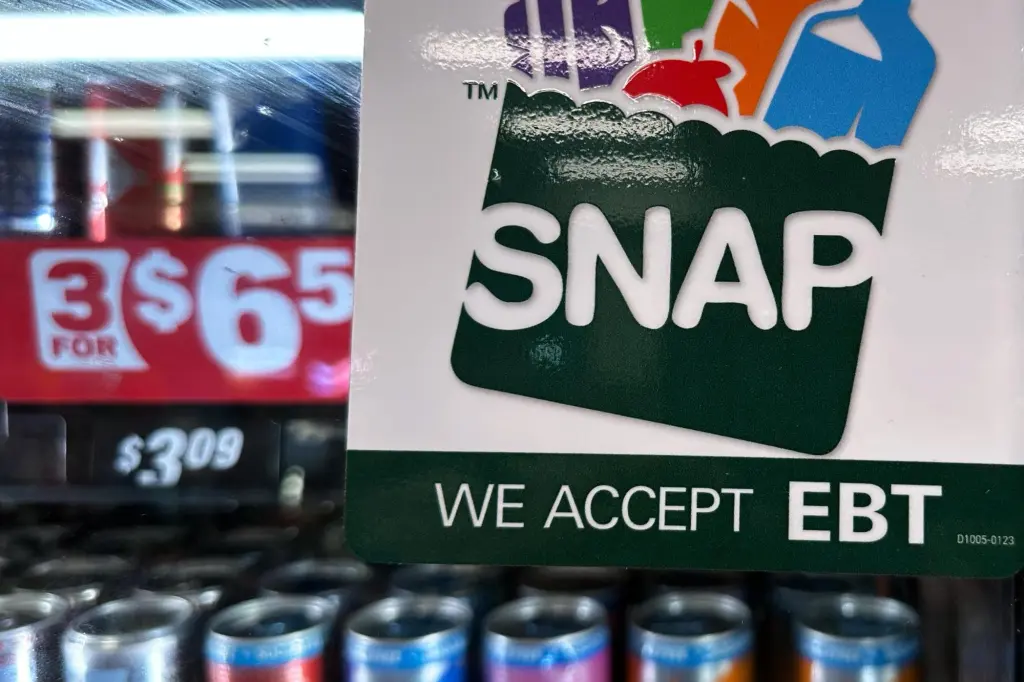
Twenty-three states have sought to ban SNAP recipients from using the funds to buy soda or candy, and at least five have already implemented such policies. Federal officials haven’t said if they intend to appeal Monday’s ruling.
Colorado’s proposal, known as the Healthy Choice Waiver, awaited a final vote by the state Board of Human Services, whose members had expressed skepticism of the plan.
The plaintiffs in the lawsuit were SNAP recipients from five states that had sought waivers, including Colorado. Unless the USDA convinces an appeals court to overturn the ruling, Colorado’s proposal likely can’t move forward.
When states want to make changes to SNAP, once known as food stamps, they have to get a waiver from the USDA. Jackson ruled that the federal agency has the authority to grant waivers when states want to make administrative changes, but not when they want to change the definition of covered food laid down by Congress.
The law that created SNAP excludes alcoholic beverages and hot prepared foods, but allows soft drink purchases.
“The federal defendants and the states may have a genuine desire to improve the health of SNAP households by encouraging healthy choices at the store, and they can take lawful steps to meet those goals,” Jackson wrote. “But what they cannot do is violate the law and their own regulations along the way.”
Colorado’s proposed waiver would have banned SNAP from paying for drinks containing added sugar or artificial sweeteners unless they also contained milk, plant milk or at least 50% juice. That would mean chocolate milk, unsweetened seltzers, bottled coffee drinks containing milk, and juices with small amounts of added sugar or sweeteners would be allowed.
People would have to use their own funds to buy fruit drinks with little juice, energy drinks and sodas, whether diet or sugar-sweetened.
The state Board of Human Services punted on a vote in March after hearing from low-income people who said they needed sweetened drinks to manage medical conditions, were confused about which products they would be able to buy, or were worried about stigma.
The board removed discussion of the ban from its April agenda and still hadn’t scheduled another vote as of late June. If the board didn’t approve the plan by mid-August, the state would have had to start the process of seeking approval over again.
Tiana Blackmon, a SNAP recipient living in Windsor, said they use electrolyte drinks such as Gatorade to manage postural orthostatic tachycardia syndrome, which causes dizziness or fainting when a person stands up.
Their doctor recommends 5,000 milligrams of sodium per day, or about twice the typical recommendation, and four to five liters of fluids. Increasing salt and fluids raises the body’s blood volume and can improve POTS symptoms, according to the National Institute of Neurological Disorders and Stroke.
“I do salt my food and take salt capsules, but without drinks like Gatorade or Liquid I.V., I would struggle to meet my medical needs,” they said in an email. “I can’t afford these drinks without SNAP due to my disabilities, so it is essential that they are included.”
Read more Today in History: June 24, American wins longest pro tennis match in history
State agency heads and medical groups spoke in favor of a ban, and Gov. Jared Polis backed it as part of a healthy eating package, alongside an executive order that prohibited state agencies from buying sugary drinks and alcohol for official events.
Polis said in a statement Tuesday that state attorneys are reviewing whether the ruling leaves any room for the waiver to move forward, and that he hopes Congress will amend the law to allow for soft-drink bans.
“I’m disappointed in this ruling, which will lead to higher diabetes rates and more tooth decay and dental bills for people,” he said in a statement. “Supporting Coloradans who rely on taxpayer-funded SNAP benefits to make healthy choices, including avoiding sugary drinks, is an important way to improve health and lower healthcare costs.”
The Colorado Department of Human Services estimated 9.2% of SNAP dollars in the state go toward sweetened beverages, making it the second-largest spending category behind the meat, poultry and seafood.
States will pay a larger share of SNAP’s costs in the coming years as H.R. 1, known as the “big beautiful bill,” takes effect. The number of recipients also will likely drop as SNAP work requirements expand to people between 55 and 64, and those with children who are 14 or older.
According to USDA data, about 6% fewer Coloradans received SNAP in March 2026 than at the same time a year earlier.
Soda bans wouldn’t have saved states any money, because people would receive the same number of dollars to spend on eligible foods and drinks.
Observational studies have found possible benefits to limiting sugar. People who experienced sugar rationing as toddlers in Britain during World War II had lower rates of heart attacks and strokes when they reached middle age than those who were born a few years earlier or later.
A simulation estimated the country could save about $2.75 billion in healthcare costs if all states prohibited SNAP from paying for sweetened drinks, mostly because of reductions in obesity. States only started putting the policy in place in January, though, so real-world evidence about health outcomes is years away.
A study in Minnesota among households eligible for SNAP found that restricting sugar-sweetened beverages, candy and sweet baked goods reduced calorie intake, but didn’t otherwise improve diet quality. People’s diets did somewhat improve when they had both a restriction on sweets and an incentive to buy more produce, mostly because they ate more fruit.
Dr. Michael Pramenko, a Grand Junction physician and former president of the Colorado Medical Society, said the ruling allows SNAP to continue effectively subsidizing soda companies.
He identifies as a Democrat and doesn’t agree with President Donald Trump’s other health care policies, but said not spending taxpayer dollars on products that make people sicker should be bipartisan.
“How is it economic justice to create chronic disease, obesity, diabetes in an already underserved group?” he said. “There has to be a change in behavior so we can move from a system of sick care to true healthcare.”
The Associated Press contributed to this report.
Sign up for our weekly newsletter to get health news sent straight to your inbox.
Read more Buying tickets to Denver concerts can be confusing — and expensive. Here’s how to do it right.